Caligo - What's new (November)

October closed with Caligo running across desktop, handheld, ARM boards and VR. November was about what happens after you connect: input that behaves like the machine you are sitting at, recovery that does not strand you in a black dashboard, and a stack that is smaller, safer and easier to keep shipping.
Input That Feels Native
On macOS, pinch trackpad gestures now reach the VM as native Windows touch (PT_TOUCH).
Trackpad and high-resolution wheels are normalised into whole notches, so applications scroll the way they would with a physical wheel instead of seeing fractional pixel deltas.
Lock keys (CapsLock,NumLock,ScrollLock) now follow the local keyboard state before HID events go out
The macOS cursor keeps its size over a window’s title bar on Retina displays, and window drags now release absolutely at the target position.
More gesture work is queued for a later pass, what is shipped is deliberately narrow and verified rather than guessed at.
Recover Without Losing Your Place
The dashboard now offers BACK TO VM LIST while connecting, plus LOGOUT on the VM list. If the picked VM reboots mid-connect, Caligo returns to the list instead of hanging.
A display left behind on the VM by an earlier session is removed at startup, and control channels authenticate as owner so the streamer can clean up a departed client’s displays.
When the streamer sends "RECO_STREAMING", Caligo restarts the session including during a codec or transport switch and refuses a second switch while a reset is already running.
Channel sockets close after their threads, the microphone lifecycle is serialised, and control-channel reads sit under the right SSL lock.
The result is less “reconnect and hope” and more “reconnect into the session you were actually in”.
Audio and Video, Sharper
Opus is now decoded by libopus, with concealment for lost frames. FFmpeg’s Opus fallback and the extra float conversion are gone.
Packet loss is recorded where the bitrate step-down logic can see it, so the stream reacts to real network conditions instead of waiting for decode artefacts to appear.
H.265 gains four selectable variants, h265, h265-10bit, h265-444 and h265-444-10bit in the overlay.
VR now allows 120Hz on non-Lite Shadow tiers, and 4:2:0 10bit.
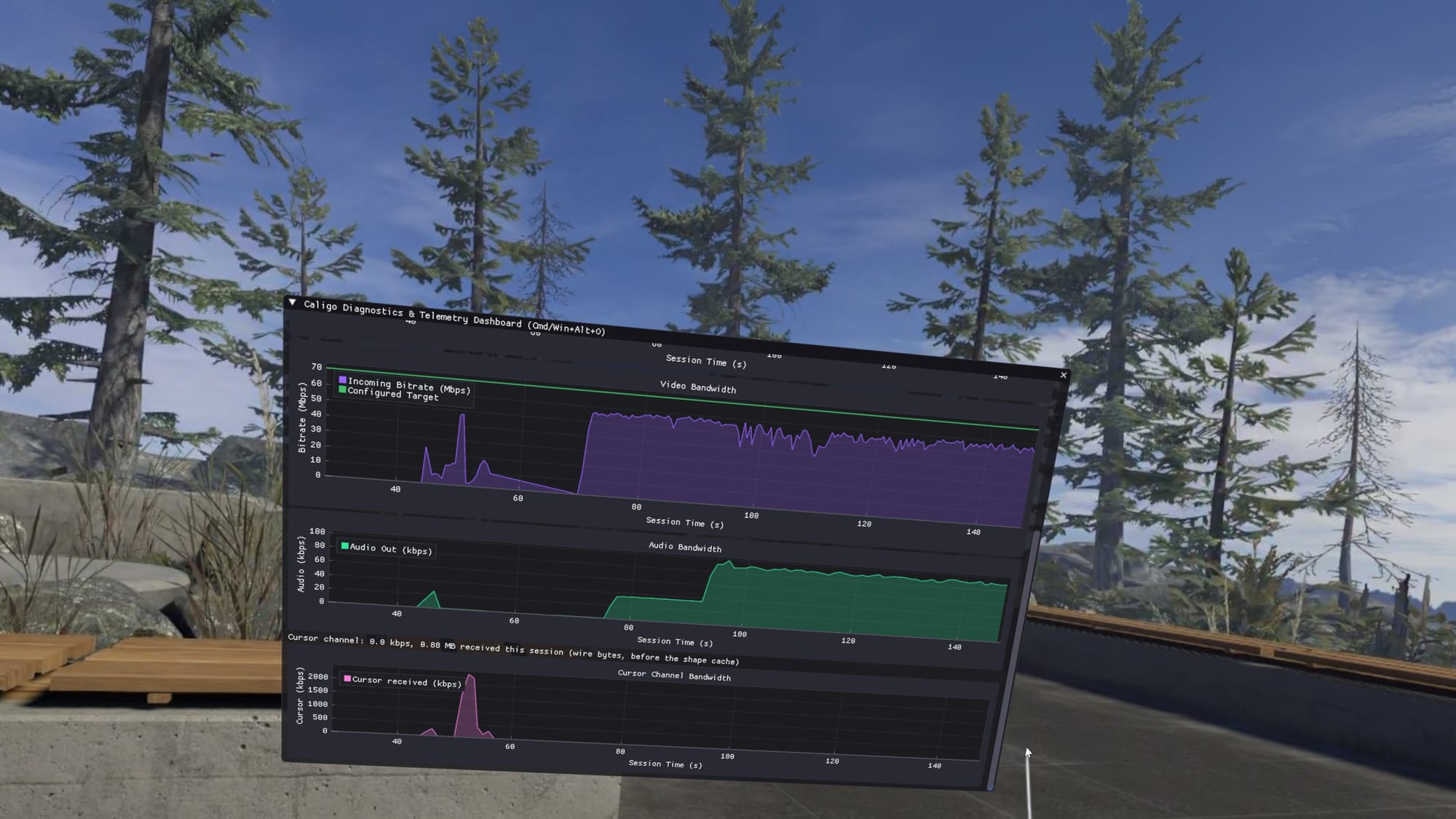
macOS builds FFmpeg 9.1. Windows P010 and VAAPI packed 4:4:4 are imported zero-copy and the VR side-by-side composite now uses an sRGB format consistently.
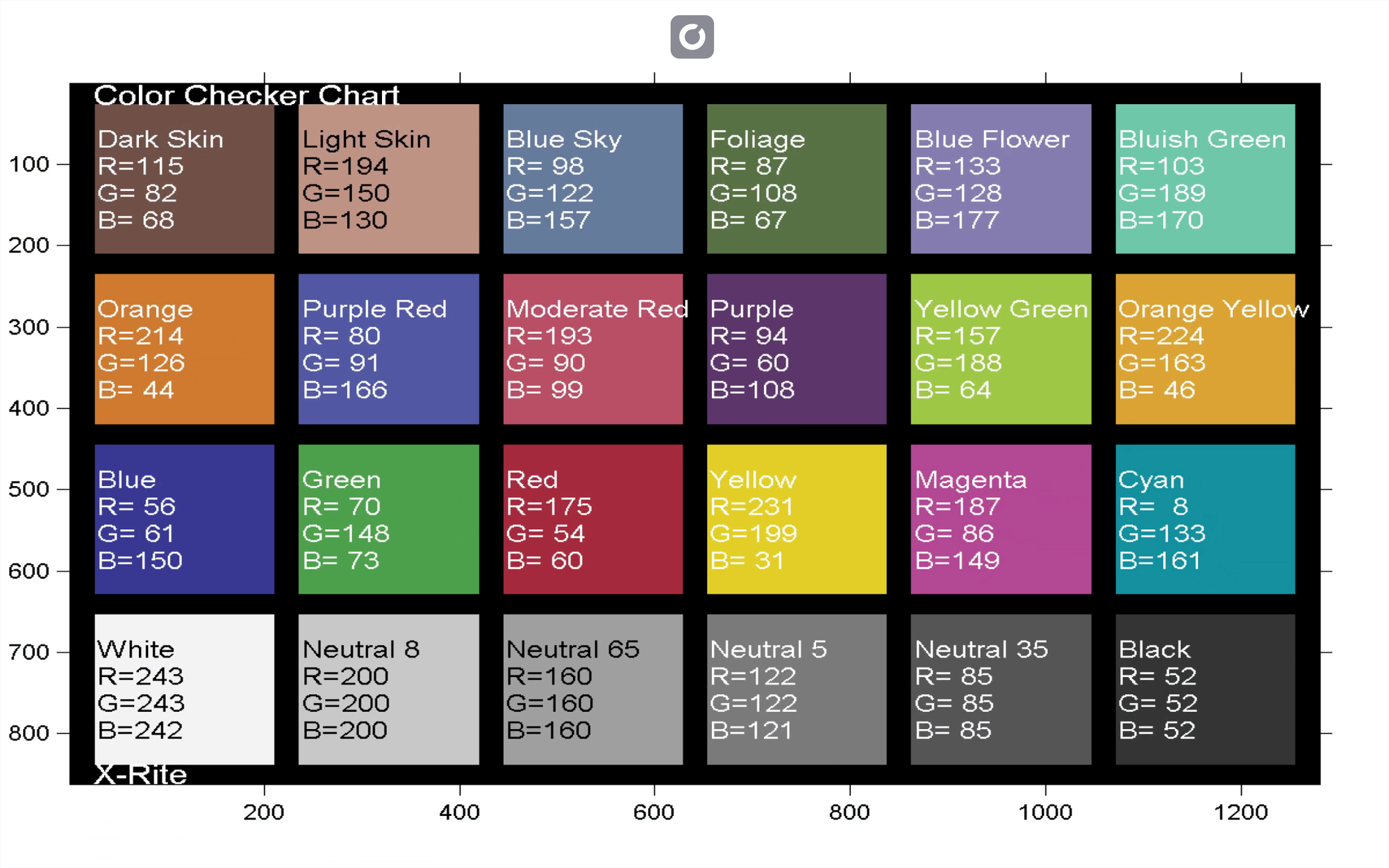
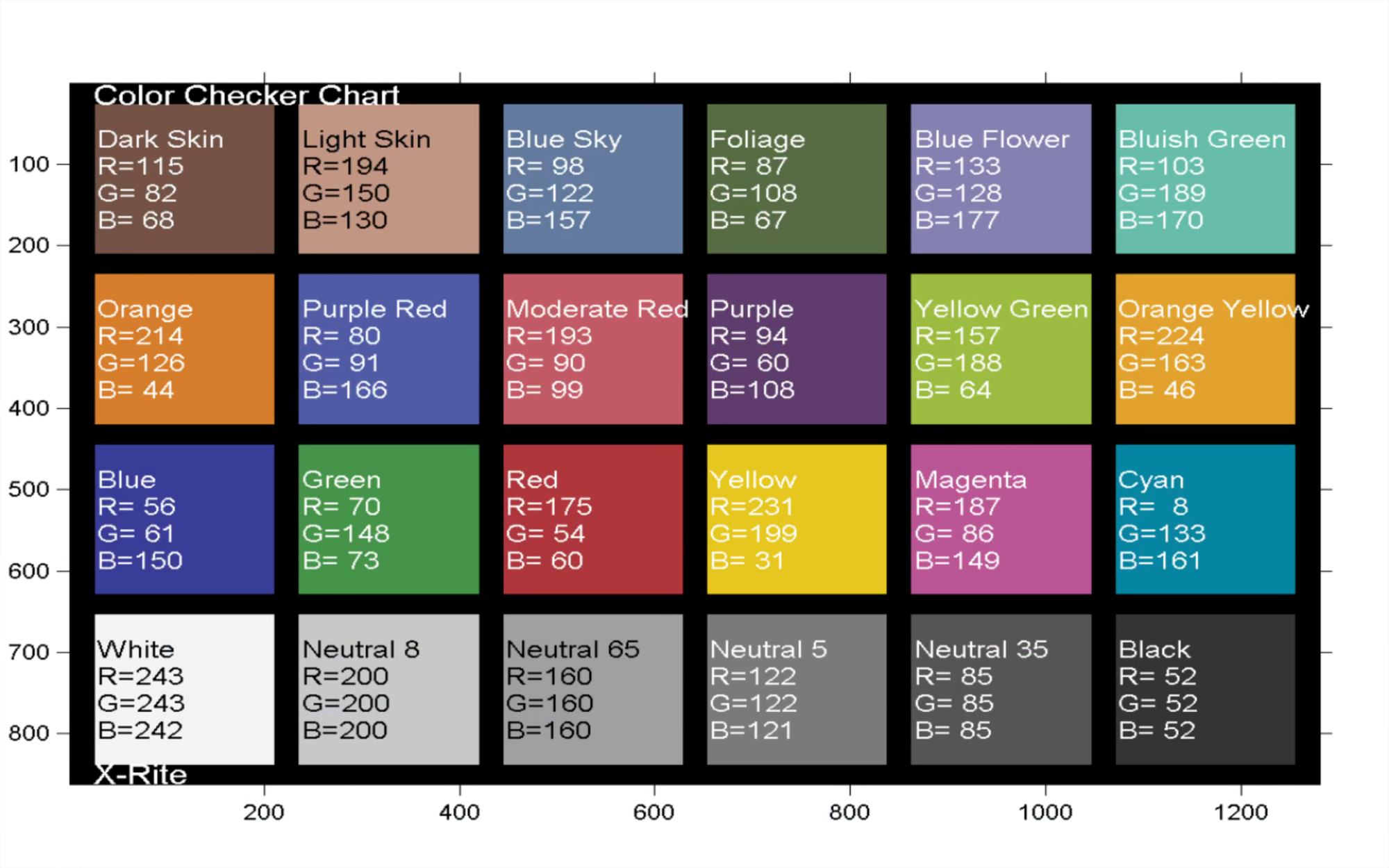
A lot of time as been spend to get best and accurate colours as possible (4:2:0 8bit) :
Every Screen, Every Chip
Native Wayland windows request high pixel density like macOS.
The Caligo loader appears as a sky around the viewer in VR side-by-side mode, so waiting for the VM no longer means staring at a flat panel.
Dual Screen puts both displays on one curve in the VR desktop, and turning Dual Screen off now unregisters the second display from Windows.
Steam Frame selects its V4L2 memory-to-memory decoders, Meta Quest picks up the OpenXR loader 1.1.65, and the VR desktop’s refresh rate follows what the headset and VM can actually deliver.
Android and Meta Quest move to 1.0.51, the x86/Arm64 Flatpak reaches 1.0.16.
Under the Hood
TLS and crypto run on AWS-LC, built static from a pinned source.
API tokens stay out of URLs and logs, the ShadowVR pipe is restricted to SYSTEM and the SteamVR user, malformed PNGs are rejected, and every OpenXR swapchain acquire and wait is checked.
If you are interested to test or you want to trial VR work, send me a message.
Alex^